BRIDGE LOAN GUIDANCE
BRIDGE

More room to coordinate the home you’re selling with the one you hope to buy.
Plan Both Sides of Your MoveOne Move, Two Timelines
Buying a new home while selling another can create a sequencing problem: the next opportunity may arrive before the current property has closed.
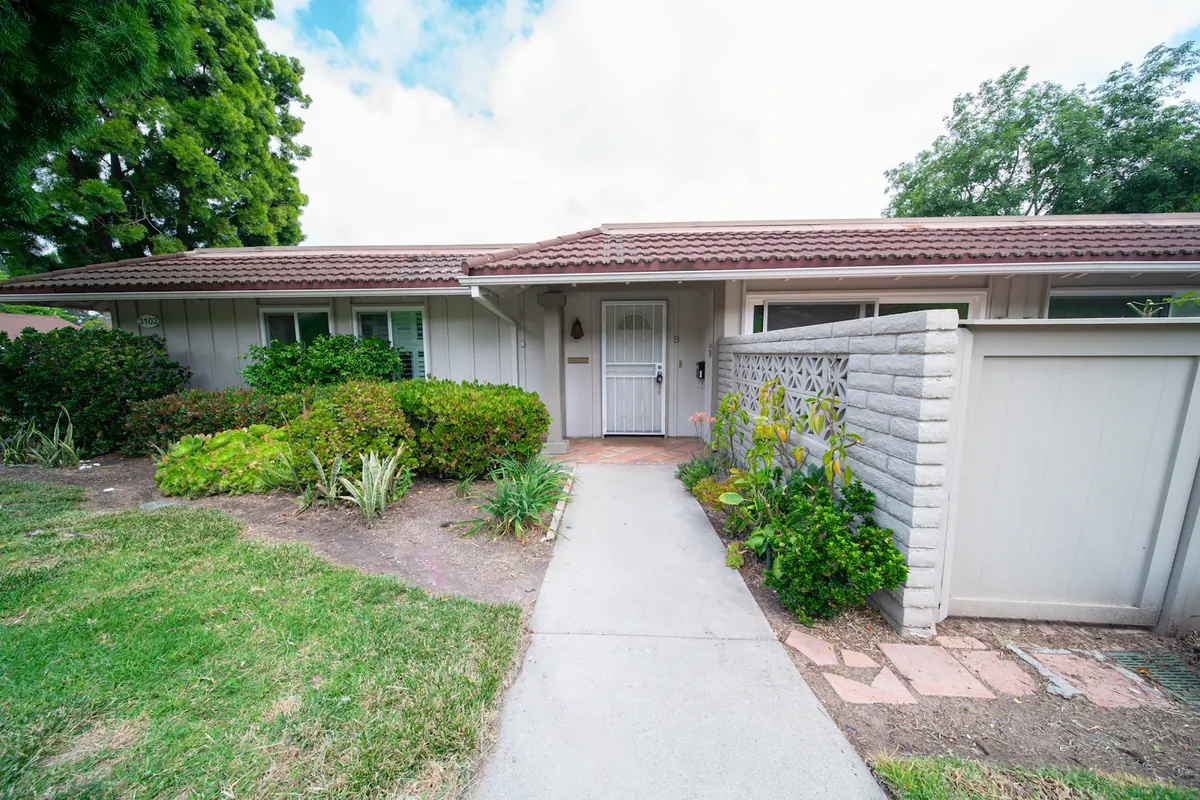
Bridge Financing Creates an Interval
A bridge loan is generally short-term financing that draws on equity in an existing home to help qualified borrowers cover the interval between those two transactions.

A Flexible Plan Still Needs Safeguards
That flexibility may reduce the pressure to make the purchase and sale happen on the same day, but it does not remove the cost or uncertainty of carrying both sides of a move.
The useful question is not simply whether bridge financing is available. It is whether the loan, sale strategy, and backup plan work together under realistic assumptions.

Turn Existing Equity Into Earlier Options
For many homeowners, much of the money intended for the next purchase is still tied up in the property they plan to sell.
Depending on the lender, available equity, and approved use of funds, bridge financing may make some of that value accessible before the sale closes—potentially supporting a down payment or other permitted transition costs.
When the Calendar Will Not Wait
A job start, family transition, school calendar, relocation, or unusually well-suited property can make waiting for a completed sale impractical.
Approved bridge financing may give a buyer more control over that schedule and allow an offer to be considered before the former home has sold.

A Coordinated Path From Here to There
Begin with the whole picture: the likely net proceeds from the current home, the purchase budget, the desired move date, and the amount of overlap the household could comfortably manage.
Then compare options with licensed lenders and obtain the required approval before treating bridge funds as part of an offer strategy.
Keep the Sale and Search in Step
As the search progresses, Randi and Stewart can align listing preparation, pricing, photography, showings, and escrow milestones with the financing calendar.
Plan for a Longer or Lower Sale
When the former home sells, repayment follows the loan documents. The plan should still account for a sale that takes longer or closes for less than first projected.

Move Out Before the Work Moves In
Some homes need painting, flooring, repairs, staging, or other preparation before they meet the market. Completing that work may be simpler once the household and its belongings have moved.
Bridge financing can sometimes create that breathing room, although the convenience must be weighed against the added cost of owning, insuring, and maintaining two properties during the overlap.

Choose a Lender With Care
Look for a licensed lender that understands short-term, equity-based financing and can explain how its underwriting fits the details of both properties.
Compare more than the advertised rate. Ask about interest calculations, origination and appraisal charges, closing costs, payment structure, maturity date, extension terms, and any early-payoff conditions.

Understand the Cost of Time
During the overlap, a borrower may be responsible for the existing mortgage, new-home expenses, bridge-loan interest and fees, property taxes, insurance, utilities, and maintenance.
Build a Reserve and Fallback Strategy
If the current home sells later or for less than expected, the bridge obligation remains subject to the lender’s deadline and repayment terms. A reserve and a specific fallback strategy matter.

Review Loan Terms With Qualified Advisors
Loan eligibility is never guaranteed. Third-party lenders control credit approval, underwriting, rates, and loan terms; Compass and the Fourniers are not lenders and do not make those decisions.
Lender information is educational rather than an endorsement. Review the full loan documents with qualified mortgage, legal, tax, and financial professionals before borrowing.
A Clearer View of the Whole Move
Randi and Stewart can help you connect the real estate pieces around a lending decision: the likely sale timeline, preparation plan, market position, purchase search, and transaction milestones.
Starting early leaves time to compare lenders, test conservative scenarios, and understand the tradeoffs before the right home creates a deadline.